
Hydrocarbon Recovery Equipment
Products Details
Hydrocarbon Recovery Equipment are designed to recover valuable hydrocarbon content from waste streams generated by refineries, petrochemical plants, tank-cleaning operations, oil terminals, drilling activities, and industrial maintenance projects. These waste streams may contain free oil, emulsified oil, water, sludge, fine solids, and other contaminants that make direct reuse impossible without treatment. The purpose of the system is to separate and recover the hydrocarbon fraction while reducing the overall volume of waste requiring disposal or further treatment.
A standard hydrocarbon recovery system works through a combination of conditioning, heating, phase separation, and controlled transfer of recovered fractions. The incoming waste is first prepared so that viscosity is reduced and the bond between oil, water, and solids is weakened. Once the material is conditioned, it passes through separation stages that allow the hydrocarbon phase to be isolated from the water and solid fractions.
Depending on the waste characteristics and plant configuration, the recovered hydrocarbon fraction can be directed to storage, reprocessing, blending, or further industrial use. At the same time, the separated water phase can be sent to a treatment section, while solids are discharged for dewatering, stabilization, or disposal. This makes an integrated hydrocarbon recovery system valuable not only as a waste-management solution, but also as a resource-recovery platform.
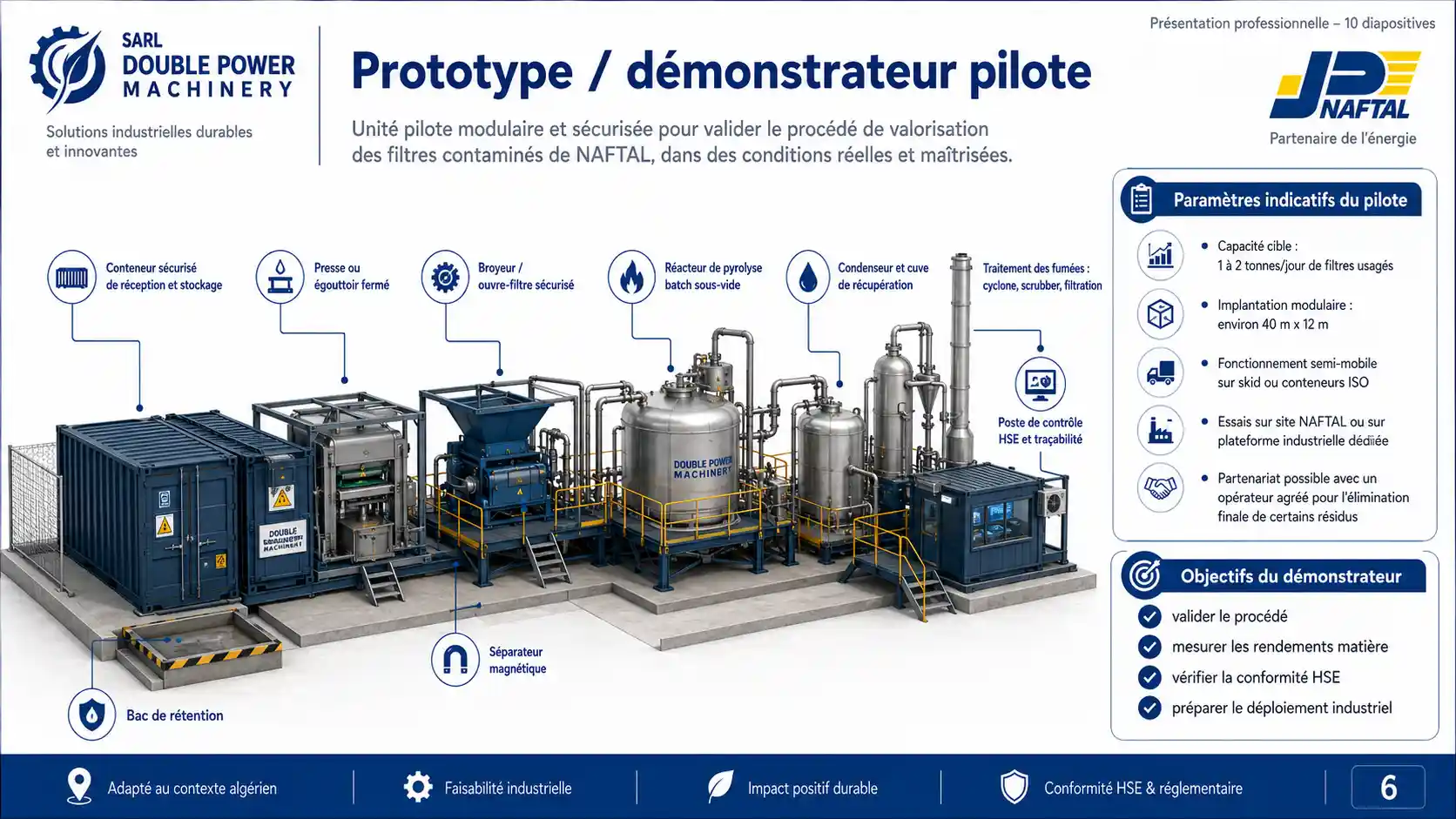
A standard installation may include feed tanks, heating and conditioning units, oil-water separation equipment, settling or decantation stages, filtration modules, pumps, transfer lines, buffer tanks, solids discharge equipment, vapor control, and centralized automation. In some cases, the system may also include indirect heating, centrifugation, coalescing separation, or polishing steps depending on the project objective and the quality of the recovered hydrocarbon required.
One of the main advantages of Hydrocarbon Recovery Systems is process flexibility. Waste streams vary greatly from one site to another, so the recovery system must be able to handle different viscosities, contamination levels, moisture content, and solids loading. For this reason, the equipment is usually designed as a modular and adaptable solution, suitable for both permanent industrial plants and project-based treatment operations.
From an industrial and environmental point of view, utilizing advanced Hydrocarbon Recovery Equipment helps reduce waste volumes, improve site housekeeping, lower disposal costs, and recover useful hydrocarbon content that would otherwise be lost. They are especially suitable for operators seeking a practical balance between waste treatment, product recovery, and process efficiency.
Product Drawing
| Designation | Characteristics |
| Reference | Hydrocarbon Recovery Systems |
| Application | Oily sludge, refinery residues, tank-bottom sludge, contaminated liquids, oily wastewater, hydrocarbon-bearing waste |
| Capacity | Configurable according to project requirements |
| Working Type | Integrated hydrocarbon recovery and separation system |
| Treatment Principle | Conditioning, heating, separation, evaporation, and recovery of hydrocarbon, water, and solids |
| Typical Oil Content in Feed | 5–80% |
| Typical Water Content in Feed | 10–90% |
| Typical Solids Content in Feed | 0–60% |
| Feed Form | Liquid, semi-liquid, sludge, emulsified waste, contaminated water, semi-solid residues |
| Main Process Stages | Feed reception, conditioning, heating, phase separation, hydrocarbon recovery, water handling, solids discharge |
| Recovery Function | Yes |
| Water Separation | Yes |
| Solids Handling | Yes |
| Operating Mode | Batch, semi-continuous, or continuous depending on plant design |
| Heating Method | Indirect heating or thermal conditioning depending on process configuration |
| Control System | Centralized PLC or industrial control cabinet |
| Installation Type | Fixed plant or modular skid-mounted system |
| Main Advantages | Hydrocarbon recovery, waste volume reduction, improved waste handling, adaptable industrial design |
| Industrial Sectors | Refineries, petrochemicals, tank farms, oil terminals, drilling sites, industrial cleaning operations |
How do Hydrocarbon Recovery Systems work?
Hydrocarbon Recovery Equipment work by first receiving the contaminated feed into a treatment section where the material is conditioned to improve separation. This may involve heating, mixing, settling, or controlled transfer to reduce viscosity and weaken the emulsion between hydrocarbons, water, and solids.
Once the feed is prepared, it passes through separation stages where the hydrocarbon fraction is isolated from the water phase and the solid residue. Depending on plant design, this can include gravity separation, decantation, thermal conditioning, filtration, or other industrial separation methods. The recovered hydrocarbon is then directed to storage or further processing, while the remaining water and solids are routed to their respective handling sections.
The result is a controlled industrial process that recovers usable hydrocarbon content, reduces waste volume, and improves overall management of oily residues and contaminated waste streams.
Application and Case
Hydrocarbon Recovery Systems are suitable for:
- Tank-bottom sludge treatment
- Refinery residue recovery
- Oily wastewater treatment
- Contaminated liquid processing
- Petrochemical waste recovery
- Oil terminal cleaning waste
- Industrial sludge recovery projects
- Hydrocarbon-bearing waste management operations
Hydrocarbon Recovery Equipment are especially suitable for operators who need a reliable industrial solution for separating and recovering hydrocarbon content from complex waste streams. Incorporating a dedicated Thermal Desorption System alongside recovery units makes them a strong choice for projects where waste reduction, product recovery, and improved downstream handling are important.