
Thermal Treatment System for Oil Sludge Management
Biowas designs and manufactures industrial Thermal Desorption Systems engineered for high-efficiency hydrocarbon recovery from oil sludges, drill cuttings, and refinery waste. Featuring sealed indirect heating (300℃–500℃) and multi-stage vapor condensation, our units achieve over 95% oil recovery while meeting strict environmental disposal standards.
-
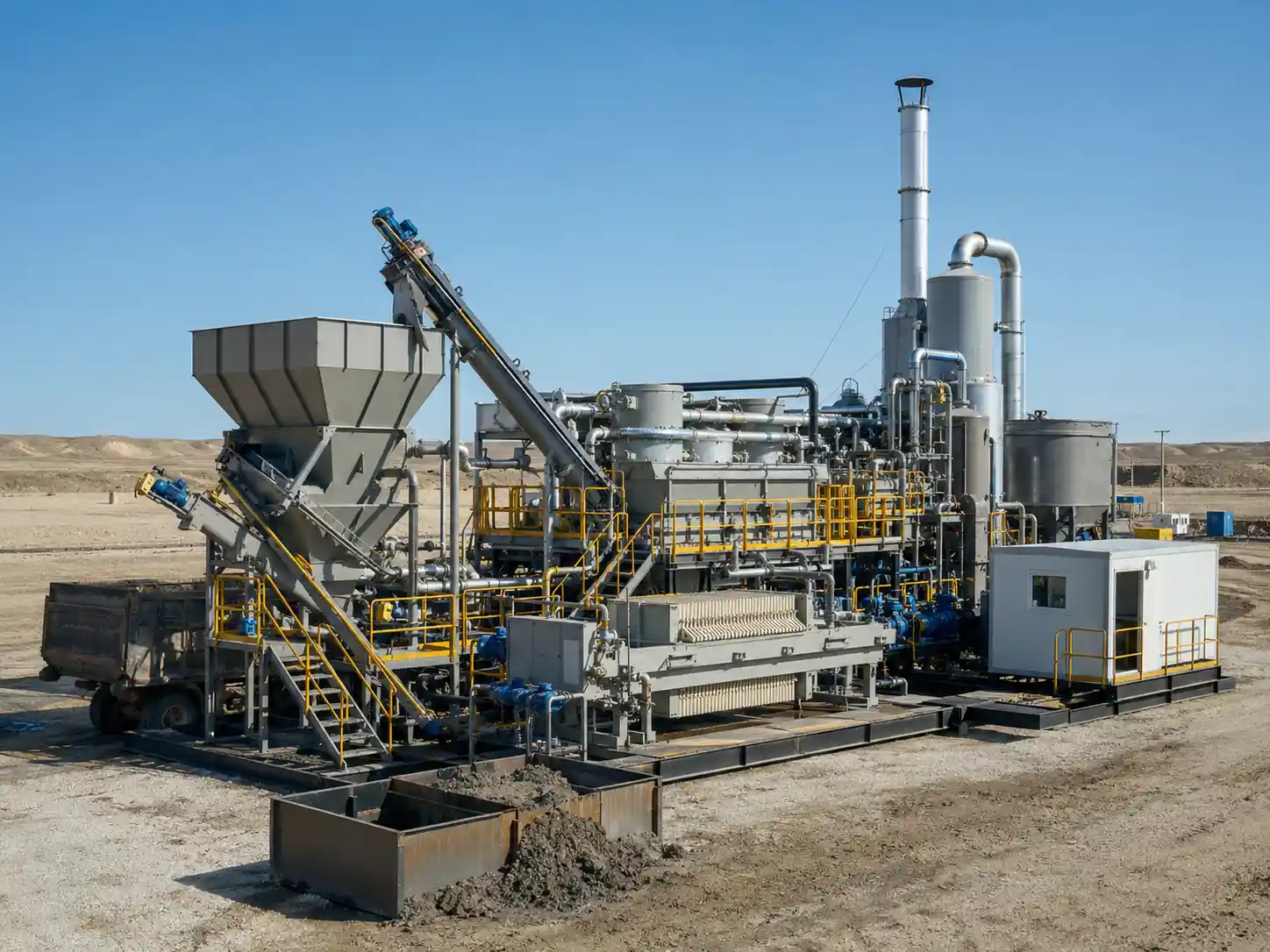
Drilling Waste Management System
-
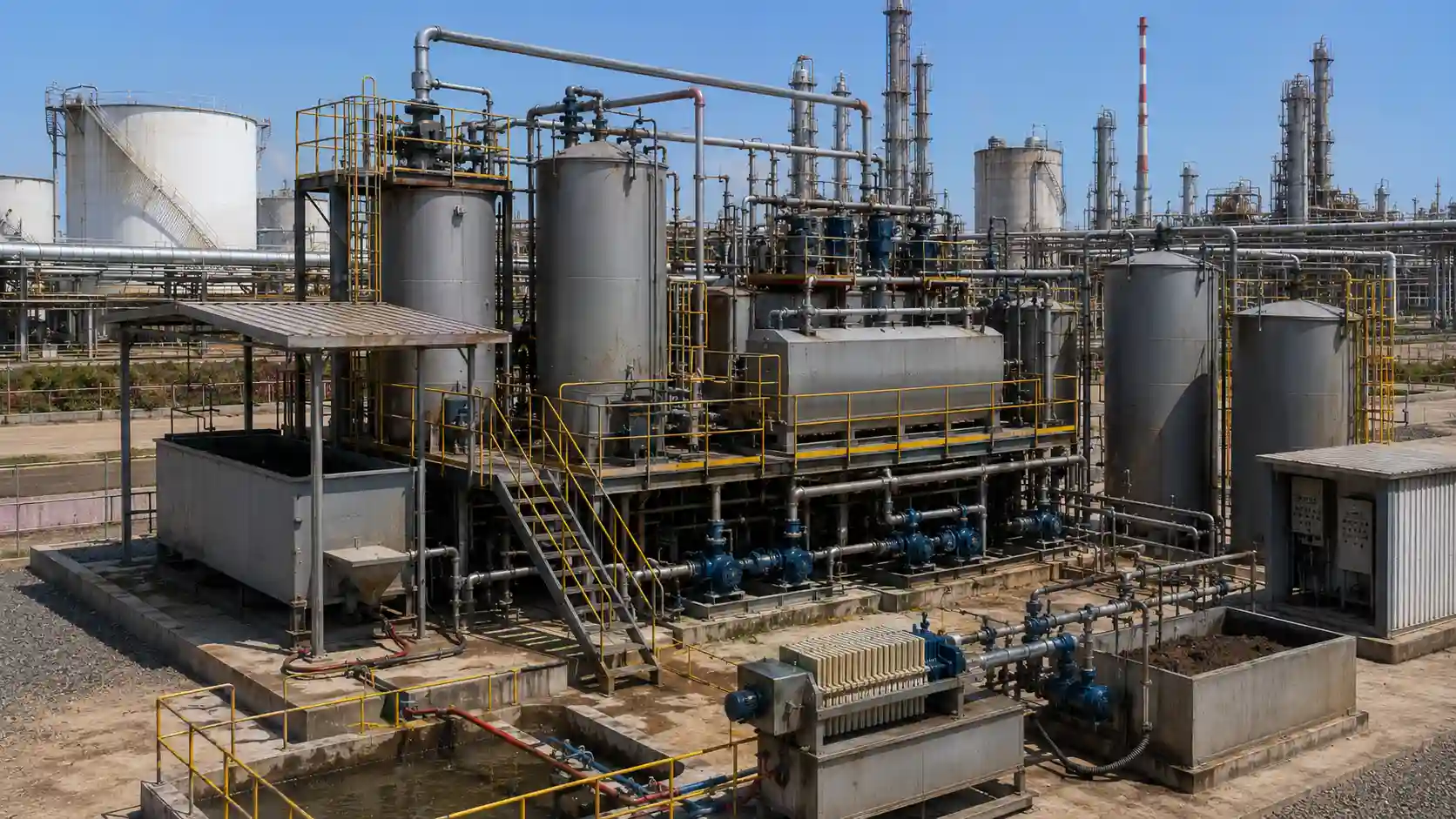
Oil Refinery Sludge Treatment System
-
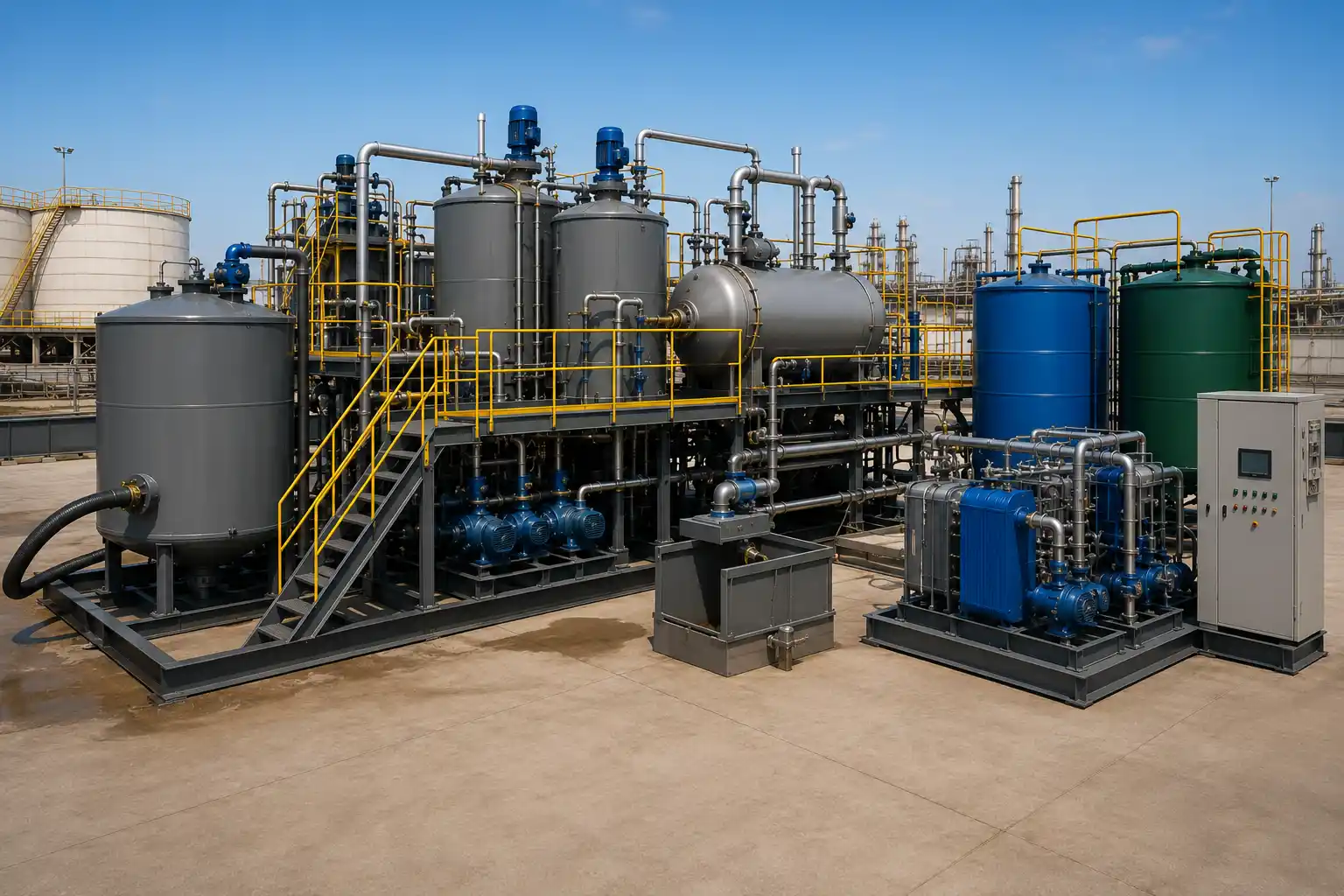
Oily Waste Treatment System
-
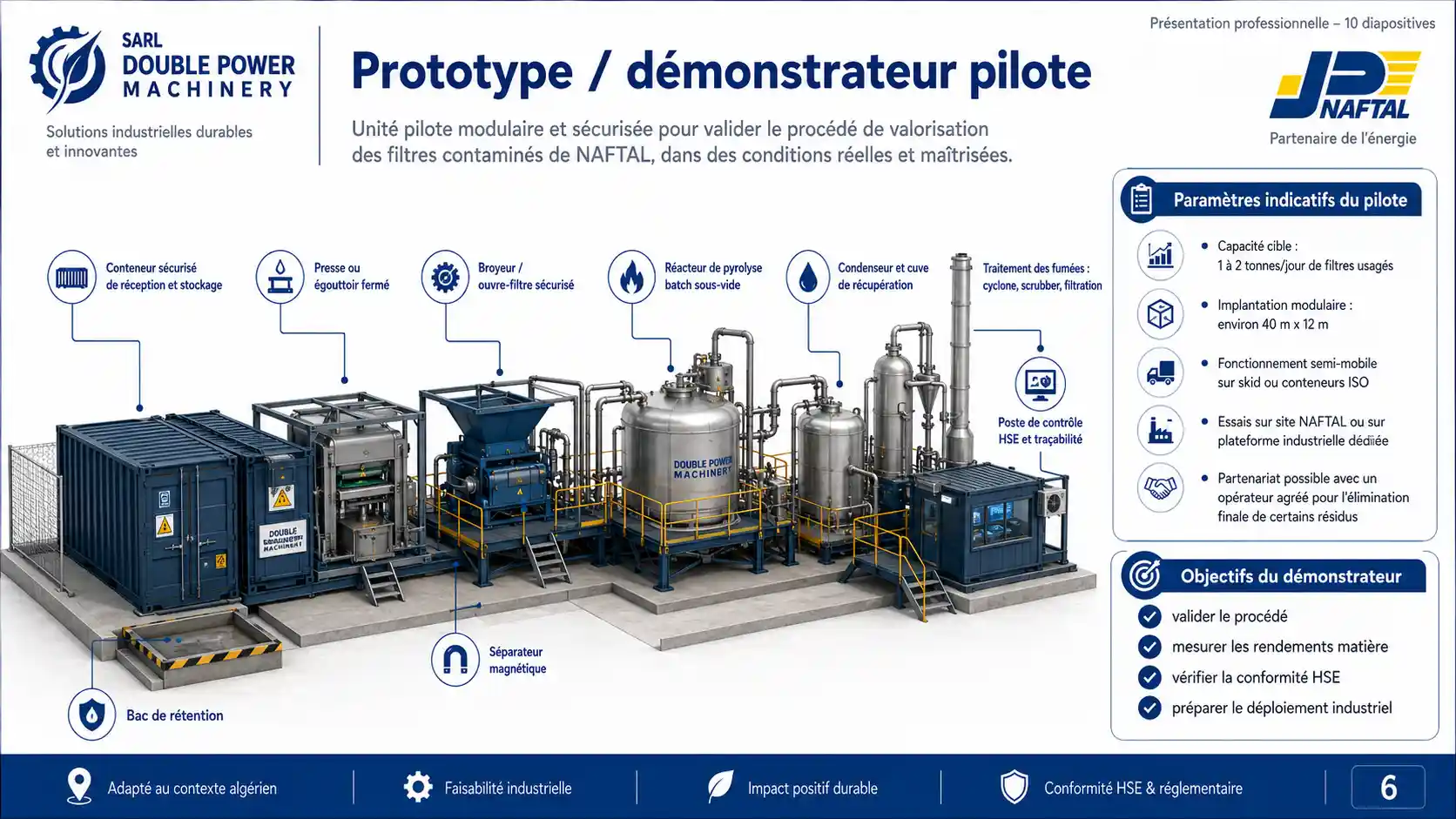
Hydrocarbon Recovery Equipment
-
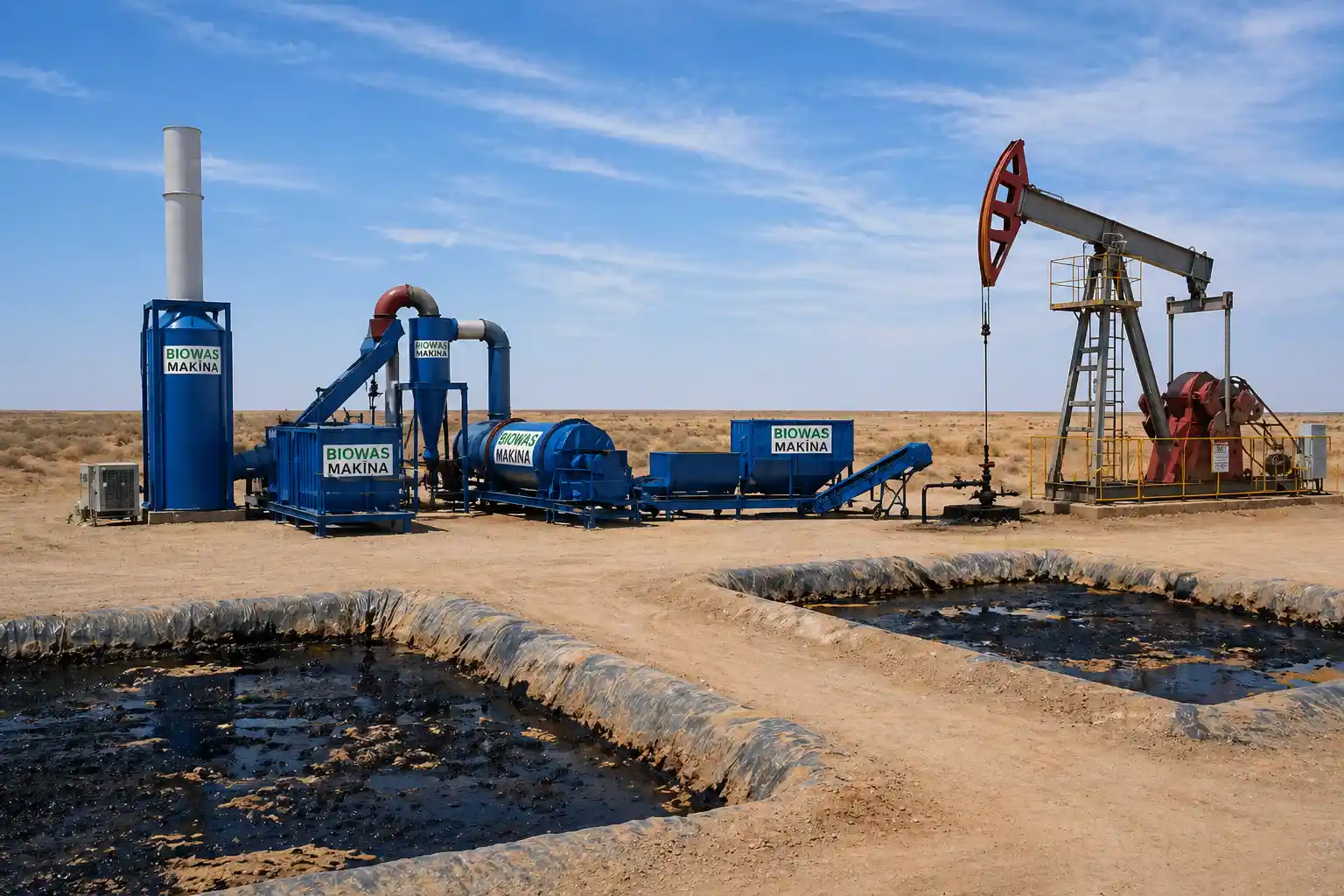
Indirect Thermal Desorption Units
-
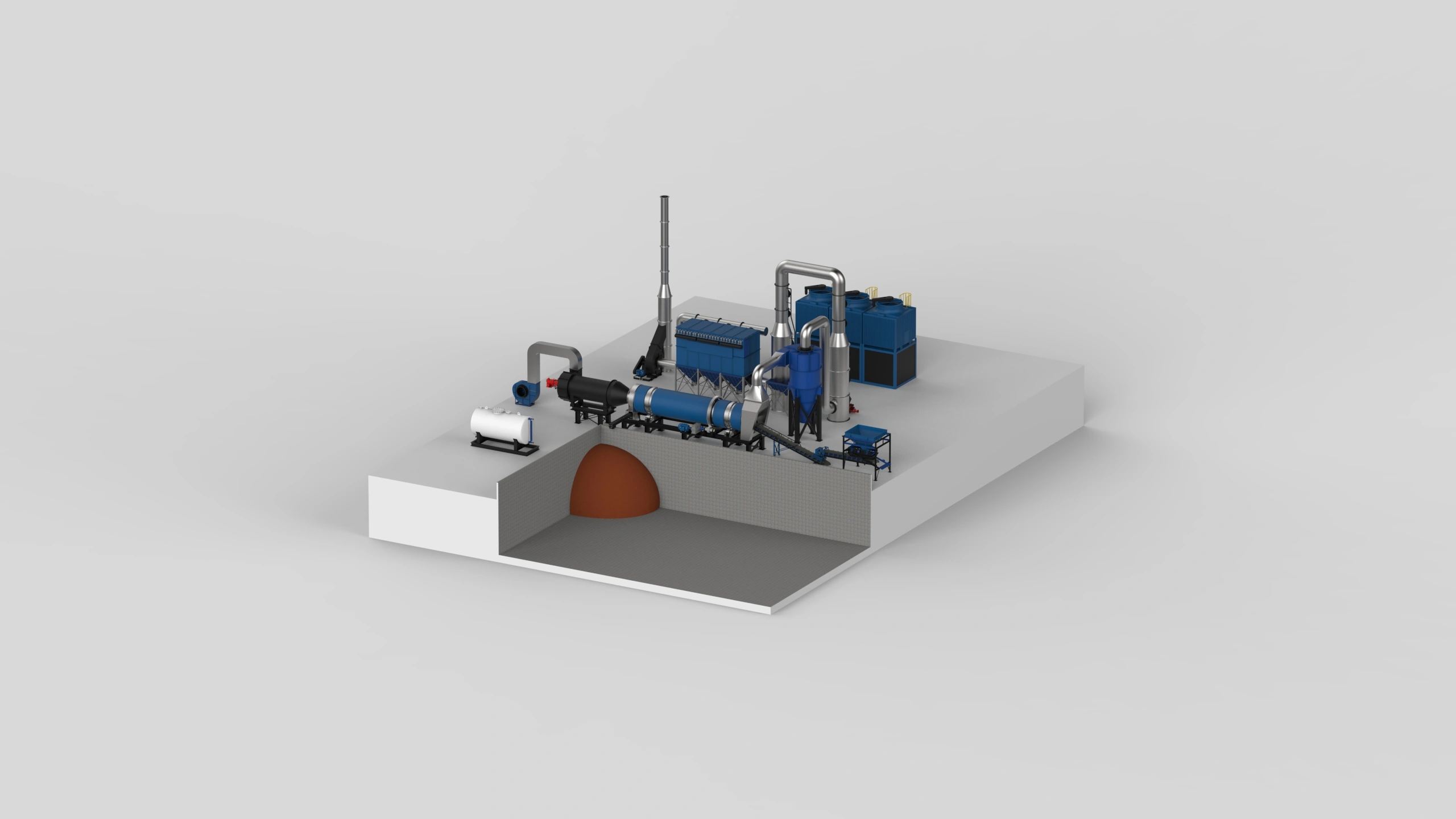
Tank Bottom Sludge Treatment System
Industrial Thermal Desorption Systems & Oil Sludge Processing
Biowas engineers advanced indirect and direct-fired Thermal Desorption Units (TDU) designed for non-incinerative separation of hydrocarbons from contaminated soils, sludges, and drill cuttings. By precisely vaporizing volatile organic compounds and moisture without combustion, our thermal desorption systems allow for max hydrocarbon recovery, volume reduction, and environmental remediation across oilfield, refinery, and petrochemical applications worldwide.
BIOWAS Oil Sludge Treatment Solutions
Explore our specialized system configurations engineered for specific sludge viscosity, oil-water-solid ratios, and hydrocarbon separation targets.
-
Heavy-duty processing units designed to segregate oil, water, and solids from industrial oily waste streams, restoring valuable hydrocarbons while rendering dry solids environmentally safe.
-
Thermal Desorption Units (TDU)
Core indirect-heated rotary desorption systems engineered for precise temperature-zone control (300℃–500℃) to vaporize heavy and light organics with zero open flame contact.
-
Integrated multi-stage condensation and oil-water separation modules optimized to recapture reusable oil from vaporized gas streams with recovery rates exceeding 95%.
-
Turnkey, continuous-duty processing plants built for large-scale industrial oily waste management, combining mechanical pretreatment, thermal separation, and vapor scrubbing.
-
Tailored thermal solutions for tank bottom sludges, API separator bottoms, and dissolved air flotation (DAF) float, turning hazardous refinery sludges into reusable crude and inert ash.
-
Heavy-duty systems specialized for oil-based drilling muds (OBM) and drill cuttings, reducing oil-on-cuttings (OOC) levels to below 1% for safe disposal or discharge.
Core Engineering & Technical Capabilities
Indirect Heating & Non-Combustion Separation
Utilizes indirect-fired sealed rotary drums to heat contaminated matrices up to 500℃ in an oxygen-free or low-oxygen atmosphere. This prevents oil combustion, preserves recovered fuel quality, and eliminates the risk of dioxin formation.
High-Efficiency Hydrocarbon Vapor Condensation
Equipped with multi-stage heat exchangers, oil-water separators, and oil droplets knock-out pots. Vapors are systematically cooled to separate light hydrocarbons from steam, achieving high liquid oil recovery efficiency.
Sealed Process Enclosure & Off-Gas Treatment
Features negative-pressure system sealing to prevent volatile emissions, supported by non-condensable gas scrubbers, active carbon adsorbers, and optional thermal oxidizers (TO) to guarantee total emission compliance.
Fully Automated Process Control
Driven by Siemens PLC platforms with real-time temperature tracking across heating zones, automated feeding speed adjustment, nitrogen purging controls, and emergency shut-off protocols for safe continuous operation.
Industrial Applications & Treatment Scenarios
Biowas Thermal Desorption Systems are specifically engineered to process hazardous oily waste streams across demanding upstream, midstream, and downstream industrial sectors:
-
Upstream Oil & Gas Exploration
Processing oil-based drill cuttings (OBM) and drilling muds directly at well pads or centralized treatment yards, reducing oil content to below 1% for safe environmental disposal or offshore re-use.
-
Refineries & Petrochemical Plants
Thermal recovery and volume reduction for API separator bottoms, dissolved air flotation (DAF) float, tank bottom sludges, and biological sludges, transforming hazardous refinery waste into valuable recovered crude.
-
Oil Storage Terminals & Logistics
Treatment of high-viscosity crude oil tank cleaning residues and vessel ballast tank sediments, separating dense solids from reusable light oil fractions.
-
Soil Remediation & Industrial Site Decontamination
Ex-situ thermal decontamination of brownfield soils, coal tar residues, and PCB/PAH-contaminated site soils to achieve strict land reclamation standards.
General System Specifications
| Technical Parameter | Engineering Options & Standard Range |
| Processing Capacity | 1 to 20+ tons/hour (Custom modular or continuous configurations) |
| Desorption Operating Temp | 300℃ – 500℃ (Adjustable based on hydrocarbon boiling point profile) |
| Oil-on-Cuttings (OOC) Target | < 1% (Weight percentage after thermal processing) |
| Heating Method | Indirect Gas Fired / Electric Heating / Burner (NG, Diesel, or Recaptured Oil) |
| Hydrocarbon Recovery Rate | ≥ 95% (Depending on oil fraction and sludge composition) |
| System Mobility | Fixed Skid-Mounted / Modular Containerized ISO Frame |
| Control System | Siemens PLC with HMI Touchscreen & Remote Diagnostics |
How Does Oil Sludge Thermal Treatment Work?
-
Step 1: Sludge Feeding & Pretreatment: Oily sludge is screened, homogenized, and metered into the sealed rotary drum via heavy-duty hydraulic ram or screw feeders.
-
Step 2: Indirect Thermal Heating: The sealed drum is heated indirectly up to 300℃–500℃ under negative pressure. Temperature zones are controlled to target specific hydrocarbon boiling point profiles.
-
Step 3: Vaporization & Phase Separation: Water and hydrocarbons volatilize into a gas phase, separating completely from the solid mineral matrix without burning.
-
Step 4: Condensation & Resource Recovery: Vapor streams pass through cyclone dust collectors, oil-water knock-out pots, and multi-stage condensers to recover liquid fuel oil and process water.
-
Step 5: Treated Solid Discharge: Non-hazardous dry ash/solids containing less than 1% oil-on-cuttings (OOC) are cooled and discharged for safe disposal or construction reuse.
Oil Sludge Treatment Methods Comparison
Choosing the appropriate waste management technology depends on oil concentration, environmental legislation, and resource recovery objectives.
| Method | Resource Recovery | Environmental Impact | Process Efficiency | Recommended Application |
| Thermal Desorption (BIOWAS) | High (≥ 95% oil recovery) | Low (Sealed, zero combustion emissions) | Fast, continuous processing | Refineries, drill cuttings, oilfield sludges |
| Direct Incineration | None (Energy recovery only) | Moderate (Requires flue gas scrubbing) | Rapid mass reduction | Non-recoverable heavy tars, toxic sludges |
| Bioremediation / Landfarming | None | High land footprint, slow degradation | Very slow (Months to years) | Low-concentration contaminated soils |
| Landfilling / Stabilization | None | High risk of groundwater contamination | Low long-term compliance | Inert ash or non-hazardous dry solids only |
Technical Services & After-Sales Support
Biowas provides end-to-end engineering support across our entire range of Waste Management Machinery to ensure optimal thermal performance, maximum hydrocarbon recovery, and operational safety.
-
Feasibility & Sludge Analysis
Our laboratory performs thermal gravimetric analysis (TGA), moisture testing, and oil-water-solid distillation to determine accurate thermal retention times and heating profiles for your specific waste stream.
-
Skid Assembly & Field Commissioning
Senior mechanical and electrical engineers oversee field positioning, piping integration, nitrogen system purging, cold/hot testing, and burner tuning to achieve full operational capacity quickly.
-
Operator Training & Safety Management
Comprehensive hands-on training for site technicians covering system startup/shutdown, dynamic pressure regulation, seal maintenance, and emergency safety override procedures.
-
Spares & Remote Technical Assistance
Uninterrupted supply of critical spares—including high-temperature mechanical seals, rotary drum flighting, condensing tubes, and thermocouples—paired with remote PLC troubleshooting capabilities.
Frequently Asked Questions
1. What types of oil sludge can BIOWAS thermal treatment systems process?
BIOWAS systems process a wide range of oily wastes, including oilfield drilling muds, crude oil tank bottom sludges, refinery API separator sludges, slop oil residues, DAF float, and contaminated industrial soils.
2. How do I select the right oil sludge treatment system?
System selection depends on your daily waste generation volume (tons/day), sludge moisture content, oil-water-solid ratio, available fuel utilities (natural gas, diesel, or recaptured fuel oil), and target residual oil limits. BIOWAS engineers assist in conducting mass-energy balance calculations for proper sizing.
3. Can the thermal desorption system recover usable oil from sludge?
Yes. By indirectly heating the sludge in a sealed, non-combustion environment, hydrocarbons are vaporized and condensed into liquid crude/fuel oil without thermal cracking, enabling direct reuse or refinery blending.
4. Does the system generate secondary air pollution?
No. Thermal desorption units operate under negative pressure with sealed nitrogen purging. Non-condensable off-gases pass through multi-stage scrubbing systems, active carbon adsorbers, or optional thermal oxidizers (TO) to ensure total compliance with atmospheric emission standards.