
Laser Waste Treatment System for Waste Disposal
High-precision Laser Ablation Waste Systems engineered for non-contact hazardous coating removal, surface decontamination, and selective substrate cleaning without secondary chemical waste.
-
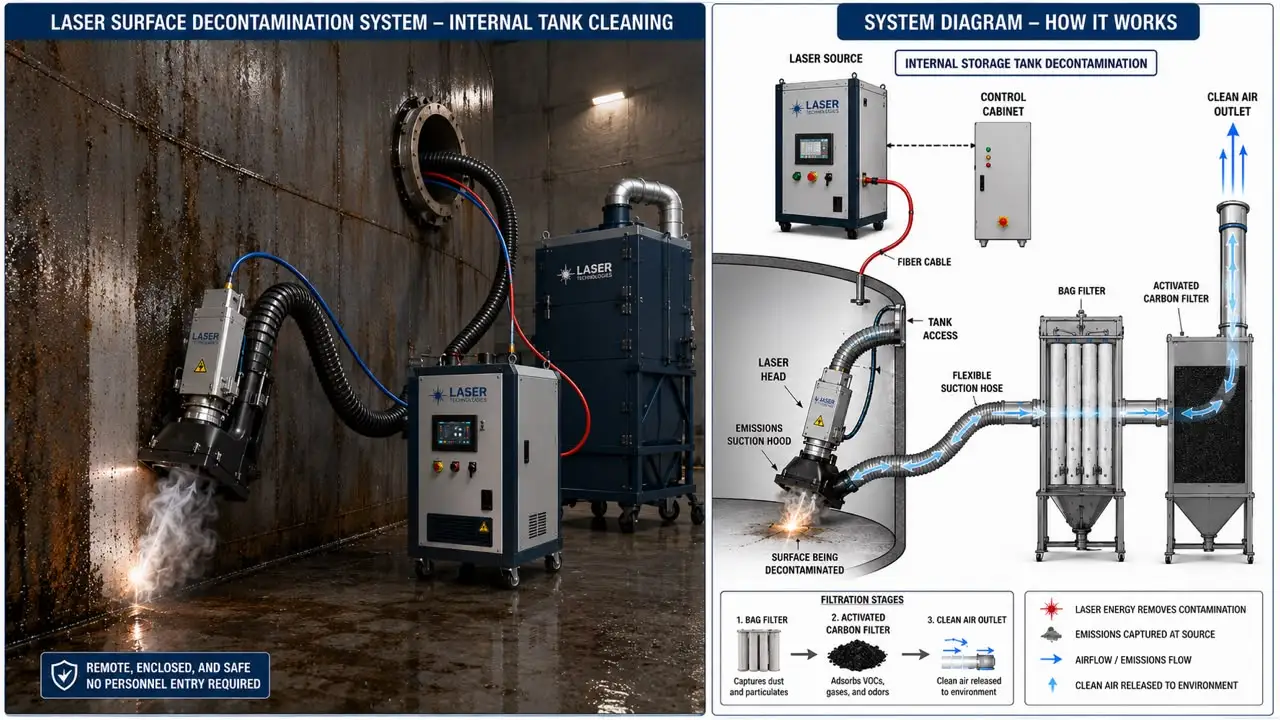
Precision Laser Cleaning Equipment
-
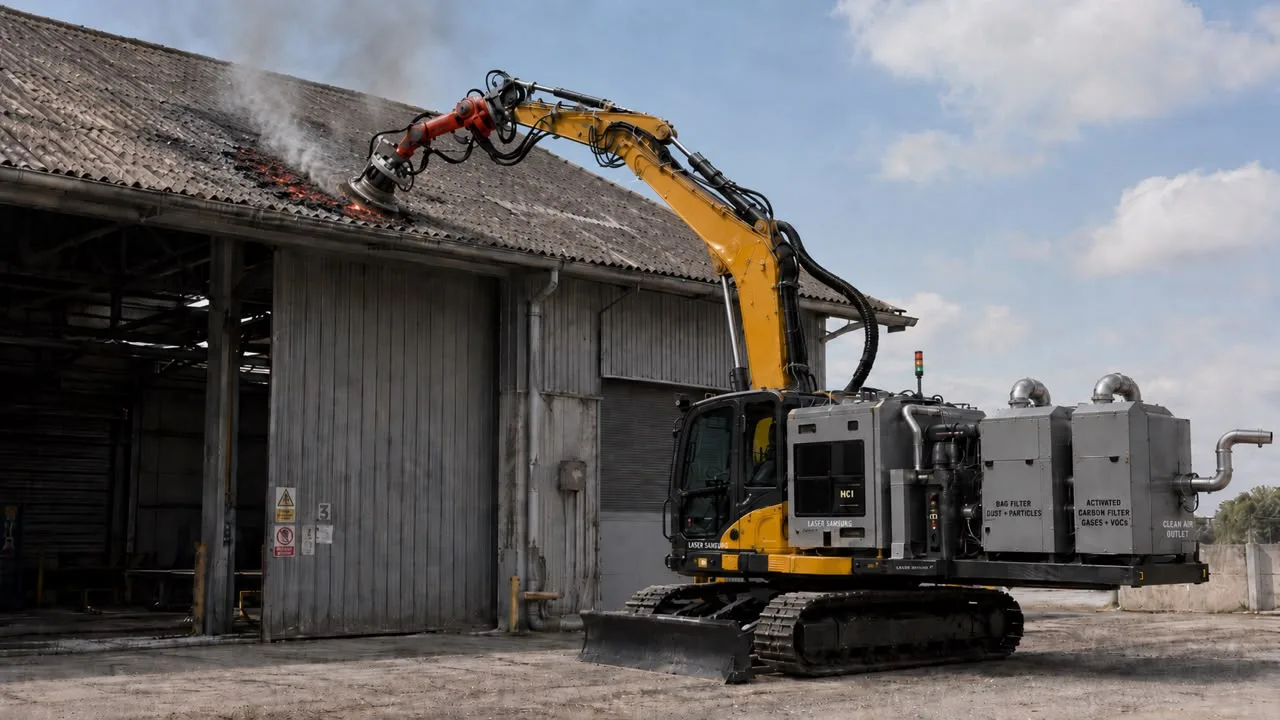
Laser Decontamination Equipment
-
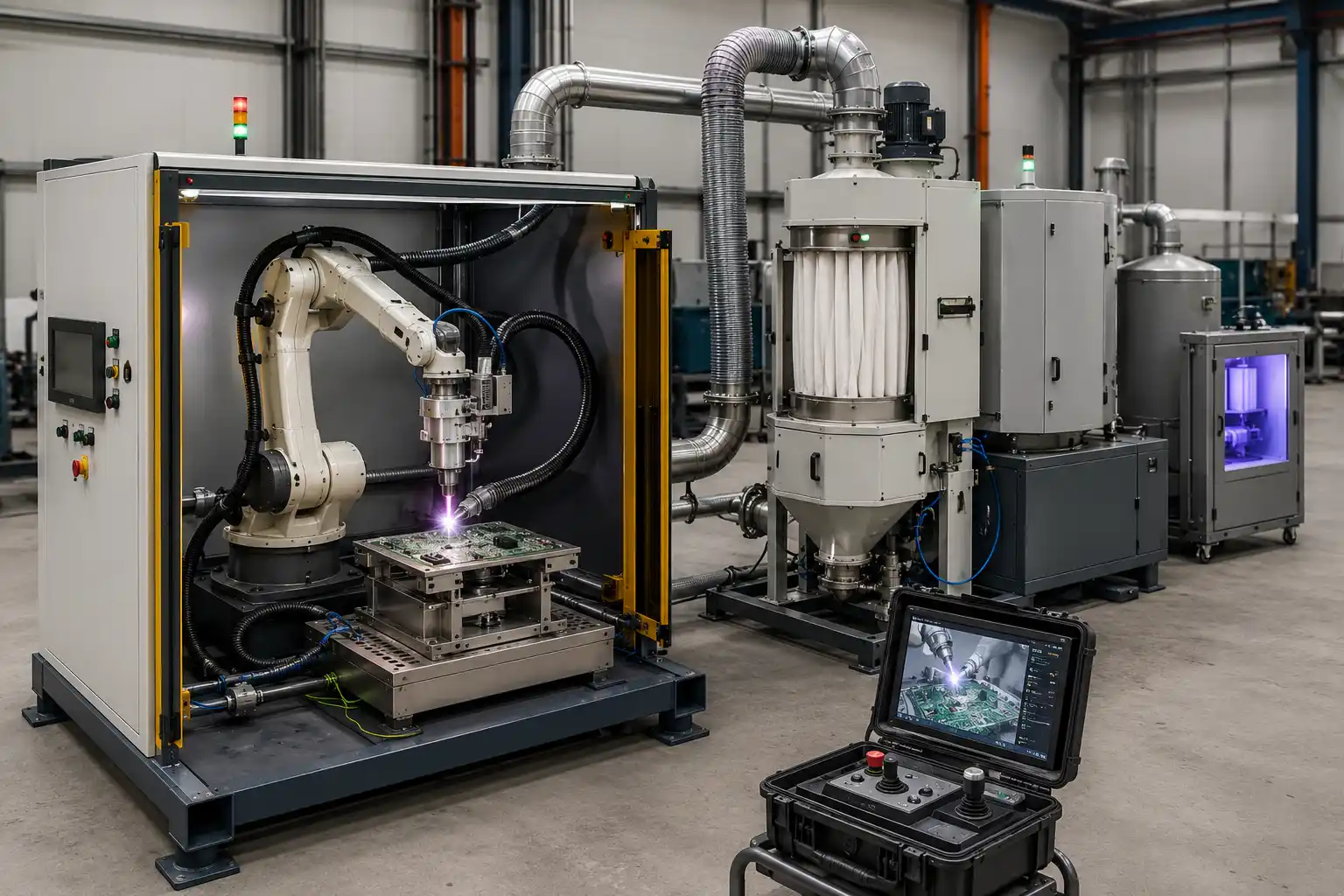
Laser Electronic Waste Recycling Equipment
-
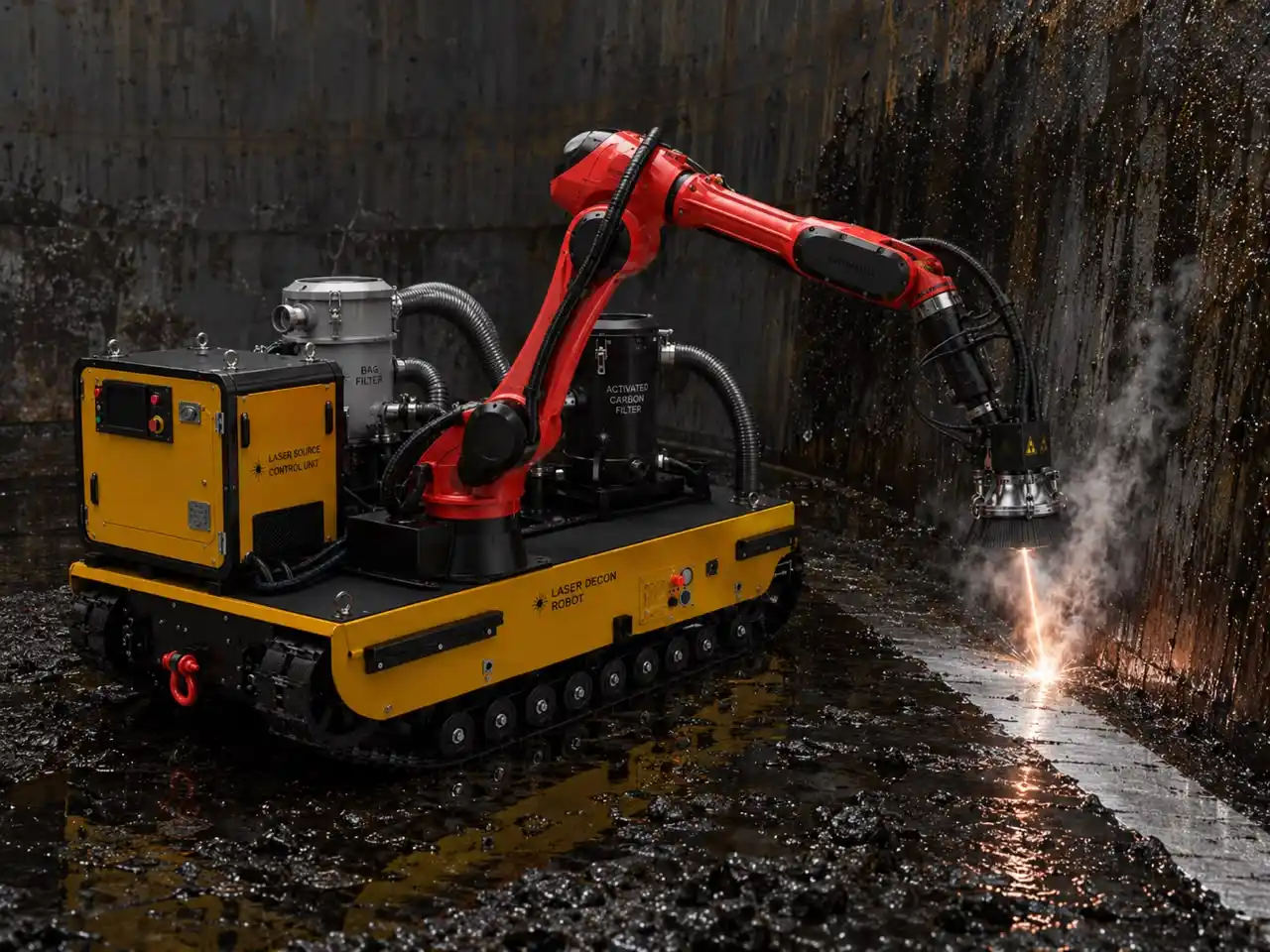
Laser Hazardous Waste Treatment Equipment
-
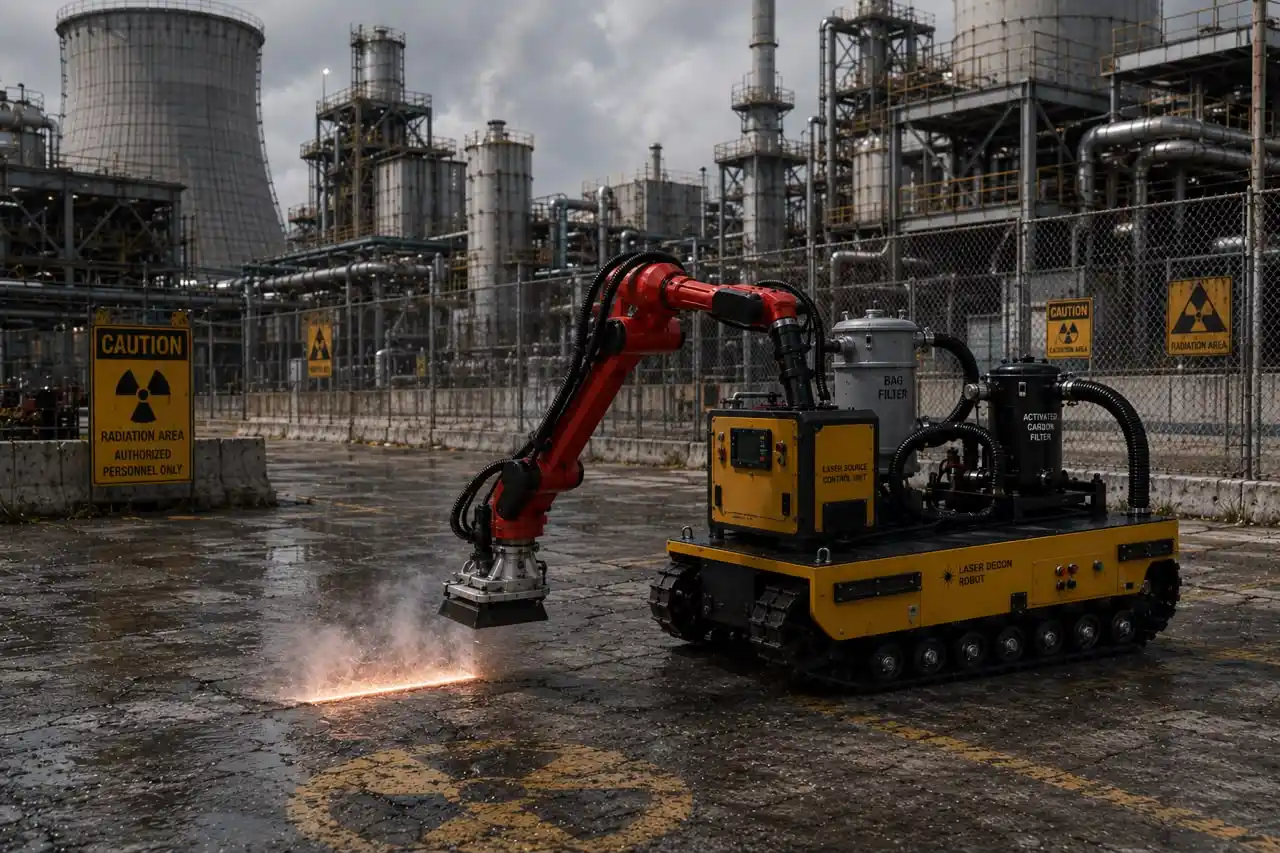
Industrial Laser Ablation Machines
-
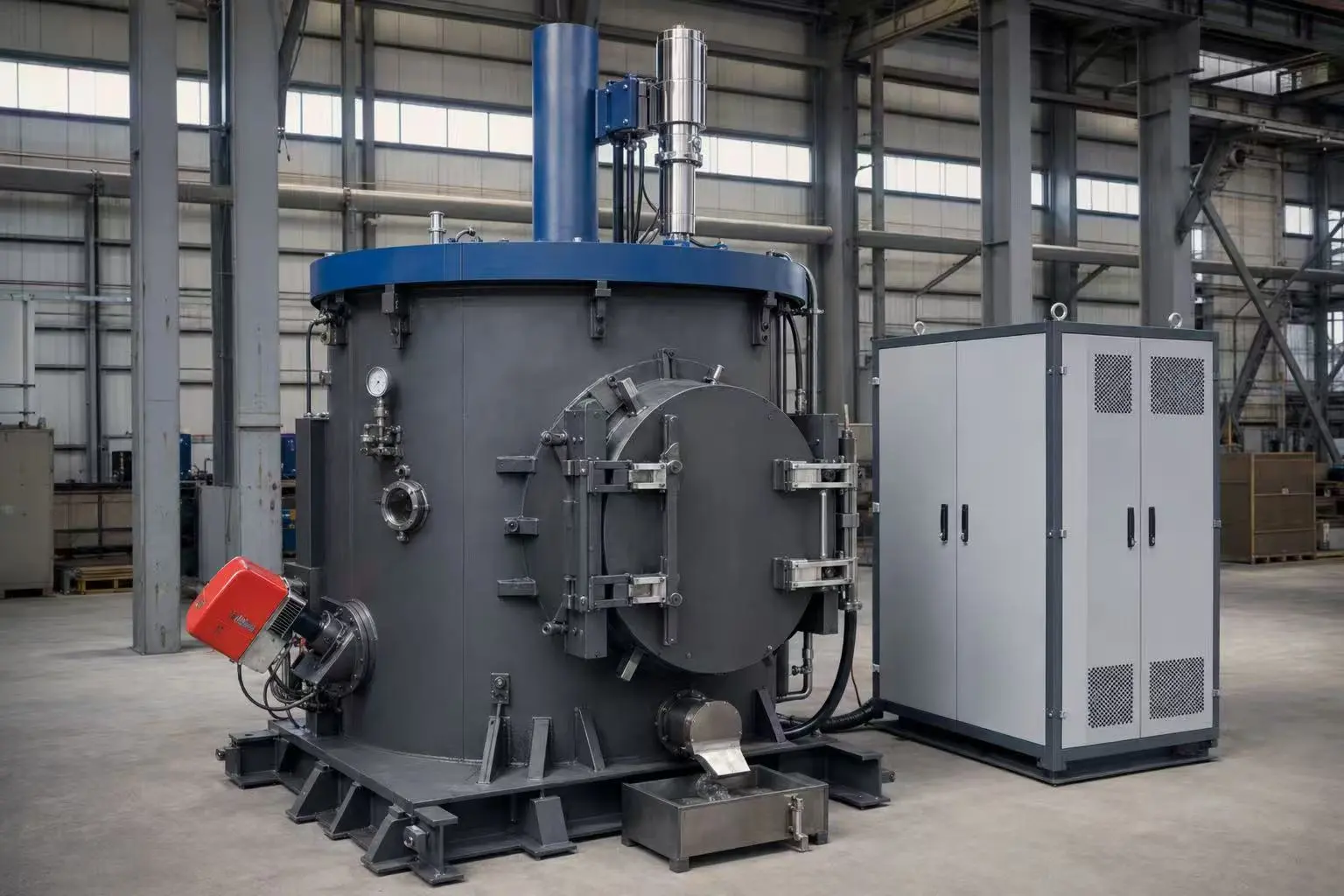
Hybrid Gas + Laser Asbestos Vitrification Furnace
Advanced Laser Waste Disposal & Industrial Ablation Systems
Biowas engineers state-of-the-art Laser Waste Disposal Systems designed for high-precision, non-contact thermal ablation and toxic surface decontamination. By leveraging targeted fiber laser energy, our systems selectively vaporize hazardous paints, radioactive scale, heavy metals, and organic residues from industrial substrates without generating secondary chemical waste or damaging underlying materials.
BIOWAS Laser Waste Treatment Solutions
Explore our specialized laser processing systems engineered for specific material properties, beam wavelengths, and surface decontamination requirements.
-
High-power laser ablation platforms engineered for controlled surface layer vaporization, material delamination, and non-contact industrial waste processing.
-
Hazardous Material Laser Treatment Systems
Enclosed laser systems tailored for stripping toxic lead paints, asbestos-containing coatings, and hazardous industrial residues with integrated HEPA fume extraction.
-
E-Waste Laser Treatment Systems
Precision laser systems built for selective coating removal, conformal coating stripping, and automated disassembly of high-value electronic scrap.
-
Surface Decontamination Systems
Specialized laser decontamination units engineered for radioactive scale removal, nuclear facility decommissioning, and heavy metal surface cleanups.
-
Precision Industrial Cleaning Systems
Automated laser cleaning solutions for rust, grease, oxide layer, and mold release agent removal from heavy industrial molds, tooling, and machinery.
Core Engineering & Technical Capabilities
High-Precision Fiber Laser Ablation
Utilizes high-peak-power pulsed fiber lasers (1064 nm wavelength) to induce rapid photothermal expansion. Hazardous coatings and contaminants are instantaneously vaporized or spalled off the substrate without thermal degradation of the base metal.
Integrated Fume Extraction & Particulate Filtration
Equipped with multi-stage negative-pressure fume extraction units, spark arrestors, and ultra-low penetration air (ULPA/HEPA) filters (≥ 99.97% capture rate at 0.3 µm) to safely capture airborne vaporized toxins and heavy metal particulates.
Non-Contact, Zero-Chemical Operation
Eliminates the need for chemical solvents, acid baths, or abrasive grit blasting. Operates as a completely dry process, dramatically reducing solid waste disposal volume and operating costs.
Multi-Axis Automation & Vision Guidance
Integrated with multi-axis articulated robots or gantry systems guided by 3D vision sensors, enabling continuous, highly repeatable processing on complex surface geometries.
Waste Types Treated by BIOWAS Systems
BIOWAS hazardous waste treatment systems are engineered to target specific molecular structures and high-risk contaminant profiles:
| Waste Category | Typical Waste Stream Examples | Primary Treatment Objective |
| Hazardous Industrial Waste | Toxic organic sludge, synthetic resins, halogenated chemical residues | Rapid thermal breakdown and molecular oxidation |
| Contaminated Industrial Substrates | Heavy metal scale, toxic protective paints, radioactive surface film | Non-contact surface stripping and particulate containment |
| Electronic & Specialty Scrap | Conformal coatings, encapsulated PCB components, multi-layer composites | Selective thermal delamination for material recovery |
| Special Industrial Residues | High-reactivity residues, pharmaceutical concentrates, laboratory waste | Controlled thermal decomposition without secondary solvents |
Industrial Applications & Treatment Scenarios
Engineered for Advanced Manufacturing & Hazardous Decontamination
Biowas Laser Waste Disposal Systems deliver eco-friendly, zero-chemical surface treatment across high-tech manufacturing, energy, and environmental restoration sectors:
-
Nuclear Decommissioning & Heavy Industry
Non-contact stripping of radioactive surface contamination, heavy metal oxides, and toxic protective coatings from containment vessels and structural metals.
-
Electronics & Semiconductor Recycling
Selective laser ablation of conformal coatings, epoxy encapsulation, and gold-plated connectors on circuit boards to facilitate precious metal recovery.
-
Aerospace & Military Asset Maintenance
Automated removal of radar-absorbent coatings, polyurethane paints, and corrosion inhibitors from aircraft components without abrasive media damage.
-
Precision Tooling & Industrial Reconditioning
In-situ laser cleaning of rubber molds, injection tooling, and turbine blades, eliminating thermal distortion and chemical bath disposal costs.
How Does Laser Waste Treatment Work?
Understanding the multi-stage laser thermal decomposition and emissions capture process ensures operational safety and environmental validation.
-
Step 1: Waste Loading & Optical Targeting: Hazardous waste materials or contaminated substrates are positioned in an enclosed processing zone guided by 3D optical vision sensors.
-
Step 2: Laser Energy Application: High-peak-power fiber laser energy is precisely delivered to the waste matrix, raising local surface temperatures instantaneously.
-
Step 3: Thermal Pyrolysis & Vaporization: Contaminants, toxic coatings, or organic compounds undergo rapid photothermal expansion and thermal decomposition into gas phase elements and micro-particles.
-
Step 4: Fume Extraction & Gas Scrubber Filtration: Airborne vapors pass through negative-pressure extraction units equipped with spark arrestors, activated carbon beds, and ULPA/HEPA filters (≥ 99.97% capture rate at 0.3 µm).
-
Step 5: Safe Residue Discharge: Decontaminated substrates or inert mineral ash residues are safely collected for secondary processing or disposal.
Laser Treatment System vs. Traditional Incinerator
Understanding the functional differences between specialized laser thermal treatment and mass incineration helps clarify equipment selection:
| Feature / Parameter | Laser Waste Treatment System | Traditional Mass Incinerator |
| Primary Mechanism | Targeted laser energy photothermal decomposition | High-temperature fuel combustion |
| Treatment Focus | Complex, highly toxic, or selective surface waste | Bulk solid waste, medical refuse, organic sludges |
| Process Scale | High-precision, batch or continuous localized processing | High-volume mass throughput (Tons/day) |
| Secondary Waste Generation | Zero chemical/solvent waste; minimal particulate ash | Secondary fly ash, bottom ash, and scrubber sludge |
| System Customization | Integrated optical galvo optics, robotic guidance, CNC | Custom refractory chambers, rotary kilns, grate boilers |
Technical Services & After-Sales Support
Full-Lifecycle Engineering & Field Support
Biowas provides comprehensive technical support across our entire portfolio of Waste Management Equipment to ensure maximum operational safety and compliance with global environmental standards.
Engineering Expertise & Laboratory Testing
As a recognized Environmental Protection Equipment Manufacturer, our optical engineering laboratory conducts laser-material interaction testing, spectral absorption analysis, and fume emission evaluations to customize laser parameters for your specific waste stream.
System Integration & On-Site Commissioning
Senior optical and mechanical engineers oversee site installation, optical path alignment, robotic trajectory programming, and fume extraction validation to achieve immediate operational efficiency.
Operator Training & Laser Safety Protocols
Comprehensive training programs for site operators covering Class 4 laser safety standards, optical lens maintenance, PLC recipe selection, and emergency shutdown procedures.
Optics, Spare Parts & Remote Diagnostics
Continuous supply of high-grade protective optical windows, galvo mirrors, filter elements, and laser diodes, backed by remote PLC diagnostic capabilities.
Frequently Asked Questions
1. What types of waste can laser waste treatment systems process?
Laser waste treatment systems are ideal for specialized waste streams, including toxic surface coatings (lead paint, polyurethane), radioactive surface scale, hazardous organic residues, conformal coatings on electronic scrap, and high-reactivity chemical waste.
2. Is laser waste treatment suitable for high-volume mass waste?
No. For high-volume municipal or general clinical waste, bulk treatment via high-temperature incineration or steam autoclaving is recommended. Laser systems excel in precision, targeted, highly toxic, or non-contact treatment scenarios.
3. How do I choose the right hazardous waste treatment system?
System selection depends on waste composition, thermal absorption properties, target throughput rate, required level of automation (robotic vs. enclosed chamber), and local emission standards. BIOWAS engineers conduct sample testing to determine the appropriate laser power and optics.
4. Does BIOWAS provide customized waste disposal equipment?
Yes. As an original equipment manufacturer, BIOWAS custom-engineers laser power levels (200 W to 3,000+ W), optical scanner widths, enclosed multi-axis CNC/robotic gantries, and integrated multi-stage air purification systems tailored to your site requirements.