PCB Dechlorination Unit
Products Details
PCB Dechlorination Unit is designed for the safe treatment of polychlorinated biphenyls (PCB) by reducing their toxicity before final incineration or hazardous waste elimination. It is intended for facilities handling PCB-contaminated oils, dielectric fluids, transformer-related residues, industrial PCB waste, and other chlorinated hazardous materials that require a controlled detoxification stage before final disposal. The purpose of the unit is to transform PCB-containing materials into a less hazardous form, making downstream handling safer and improving the overall environmental performance of the disposal process.
The system operates through a co-catalyst-assisted dechlorination process at moderate temperatures between 80°C and 100°C. This is a major advantage because it allows effective treatment without relying on direct high-temperature destruction in the first step. The unit is designed with adaptive temperature control, a dedicated co-catalyst section, and optimized reaction chambers that improve the interaction between the PCB-bearing material and the reactive media. This configuration supports efficient chlorine removal while maintaining process stability and treatment consistency.
A key strength of the PCB Dechlorination Unit is its use of specialized treatment media such as palladium on carbon (Pd/C) and activated kaolin. These elements are used to improve dechlorination efficiency and help break down PCB compounds more effectively. The reaction chambers are arranged to maximize contact between the contaminated material and the co-catalyst system, which improves detoxification performance and supports safer preparation of the treated output for storage, transfer, or final incineration. This makes the unit valuable not only as a treatment system, but also as a risk-reduction solution for hazardous waste operations.
From an operational point of view, the treatment process follows a clear and controlled sequence. It begins with full system inspection and initialization, followed by pretreatment of the PCB-containing material. The reactor is then brought to the required temperature range, after which the reaction solvent is introduced and the calculated quantity of co-catalyst is injected. Mixing and reaction are maintained under controlled conditions until the dechlorination stage is completed. After this, the process moves to filtration and separation, where solid residues are removed and the treated liquid phase is directed toward storage or the next disposal step. A final verification stage is then carried out to confirm that remaining PCB traces are within the required target before final handling.
Safety is an essential part of the unit design. The system includes thermal protection, pressure regulation valves, emergency shutdown functionality, and safe maintenance procedures to protect both operators and equipment. Reliable performance also depends on regular catalyst monitoring, proper selection of activated kaolin, and thorough operator training. These aspects are particularly important in PCB treatment projects, where controlled operation, traceability, and process reliability are critical.
The unit also addresses the management of spent process materials after treatment. Used kaolin and spent catalysts are transferred to designated containment systems suitable for hazardous materials. Where feasible, catalysts such as Pd/C can be regenerated, while contaminated kaolin may be treated by controlled thermal desorption. Materials that cannot be regenerated are classified for hazardous waste disposal and directed to final incineration. This gives the unit a complete environmental role by covering both PCB detoxification and the safe management of secondary residues generated during the process.
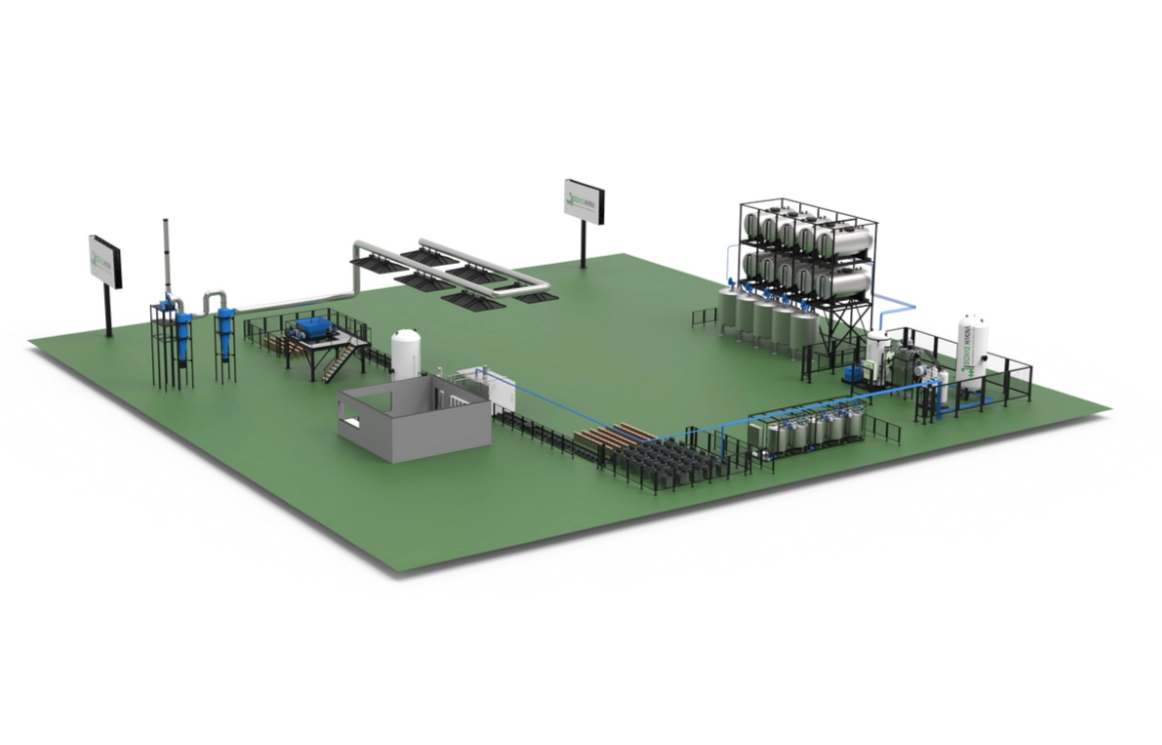
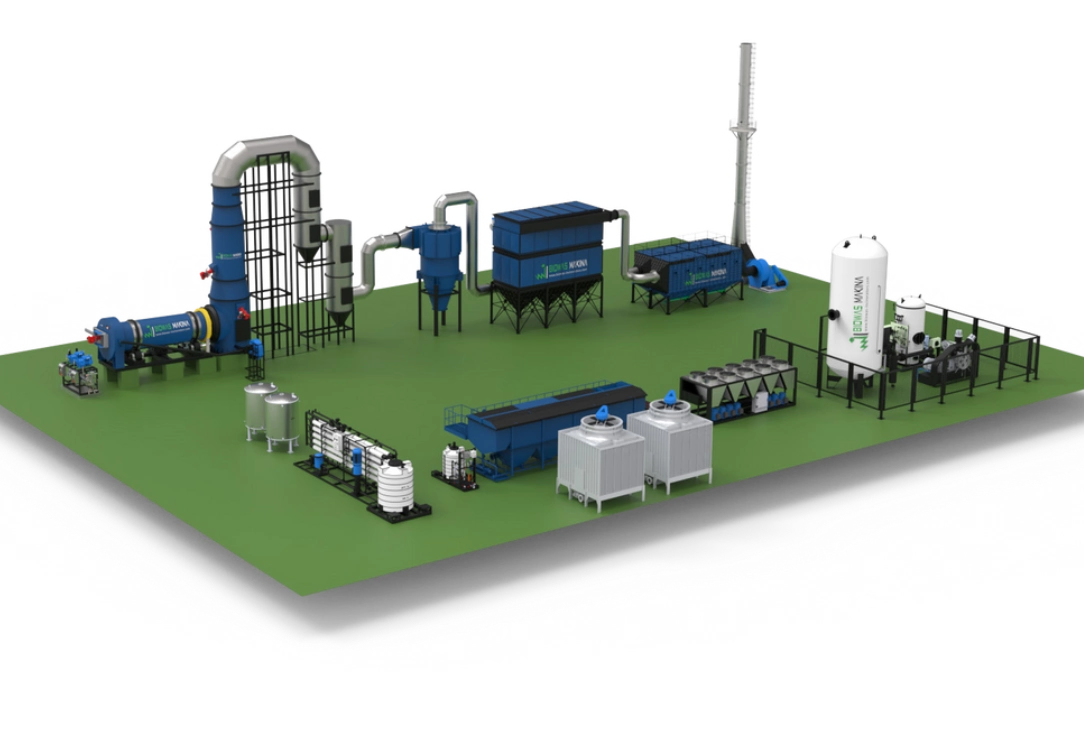
Product Drawing
| Designation | Characteristics |
| Reference | PCB Dechlorination Unit |
| Type | Chemical PCB treatment system |
| Application | Detoxification of PCB-contaminated liquids and hazardous chlorinated residues |
| Treatment Principle | Co-catalyst-assisted dechlorination |
| Operating Temperature | 80°C – 100°C |
| Reactor Type | Controlled reaction chamber system |
| Main Treatment Media | Palladium on carbon (Pd/C), activated kaolin |
| Temperature Control | Adaptive temperature regulation |
| Reaction Design | Optimized chambers for extended contact between PCB material and co-catalyst |
| Process Stages | Inspection, pretreatment, heating, solvent introduction, catalyst injection, reaction, filtration, separation, final validation |
| Post-Treatment Handling | Filtration and purified solution transfer |
| Safety Features | Thermal protection, pressure regulation valves, emergency shutdown |
| Maintenance Requirements | Catalyst monitoring, operator training, safe maintenance procedures |
| Residue Management | Hazardous containment, catalyst regeneration where possible, final incineration of non-recoverable residues |
| Industrial Positioning | Pretreatment solution before final PCB disposal or incineration |
How does the PCB Dechlorination Unit work?
The PCB Dechlorination Unit works by chemically reducing the chlorine content of PCB-containing materials under controlled reactor conditions. The process begins with inspection and pretreatment of the incoming material, followed by preparation of the reactor at the required operating temperature. A reaction solvent is then introduced, and the calculated quantity of co-catalyst is added to begin the dechlorination reaction. Under controlled mixing and temperature conditions, the system reduces the toxicity of the PCB stream and prepares it for safer downstream handling.
Once the reaction is complete, the treated material passes through filtration and separation stages. Solid residues are removed, and the purified phase is transferred for storage, additional validation, or final disposal. A final analytical check is then performed to confirm treatment quality and ensure that the processed material is suitable for the next handling step. This structured sequence gives the unit strong value for hazardous waste projects that require controlled PCB detoxification before final elimination.
Application and Case
PCB Dechlorination Unit is suitable for:
- PCB-contaminated oil treatment
- Transformer and dielectric fluid decontamination projects
- Hazardous chlorinated waste pretreatment
- Industrial PCB waste management
- Preparation of PCB materials for final incineration
- Specialized hazardous waste treatment facilities
- Environmental detoxification projects involving PCB residues
The PCB Dechlorination Unit is especially suitable for operators who need a controlled and technically reliable solution for PCB detoxification before final disposal. By combining moderate-temperature operation, advanced co-catalyst chemistry, controlled reaction stages, and secure residue management, the system offers an effective pretreatment platform for hazardous PCB waste streams. It is a strong solution for projects where safety, toxicity reduction, and preparation for compliant final elimination are critical.