What Is Incineration and How Does an Industrial Incineration System Work?
August 13, 2026
Incineration is a controlled thermal treatment process that uses high temperatures to break down combustible waste and reduce its volume. An Industrial Incinerator typically combines a combustion chamber, controlled air supply, temperature monitoring, exhaust treatment, and residue handling. The complete process forms an Incineration System rather than simply a furnace. For manufacturers, hospitals, and waste treatment operators, the correct system depends on waste composition, moisture content, calorific value, required capacity, emission limits, and residue management.
For example, a healthcare facility may need an incinerator designed for clinical waste. A factory may need a different configuration for production waste. A facility that processes waste from a diaper machine must also consider plastics, cellulose, absorbent materials, moisture, and other components. These materials can behave differently during thermal treatment.
Incineration does not mean simply burning waste in an uncontrolled environment. Industrial equipment uses controlled combustion conditions to manage temperature, residence time, air supply, and exhaust gases. Modern systems can also incorporate secondary combustion and flue gas treatment. These stages help control pollutants and support compliance with applicable environmental requirements.
For B2B decision-makers, understanding the process is important before selecting equipment. The correct question is not only “What is the price of an incinerator?” It is also “What waste will the system process, at what capacity, under which operating conditions, and with what emission requirements?”
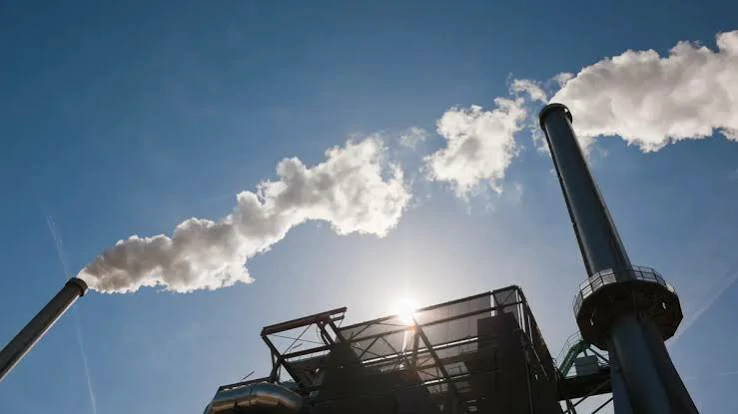
What Is Incineration and Why Is It Used for Waste Treatment?
Incineration uses thermal energy to treat combustible waste.
During combustion, organic components react with oxygen. The process produces heat, gases, and solid residues. The quantity and composition of these outputs depend on the waste itself and the combustion conditions.
The main objective is to reduce the amount of waste requiring further handling.
How Does Incineration Reduce Waste Volume?
Combustible waste can contain a large amount of organic material.
When this material undergoes controlled combustion, much of its combustible fraction converts into gaseous products. Only a portion remains as solid ash or other residues.
This can significantly reduce the physical volume of waste.
However, incineration does not eliminate all waste. Bottom ash, fly ash, and residues from air pollution control equipment still require appropriate management.
This distinction matters for industrial buyers.
A thermal treatment project needs both combustion equipment and a plan for residue handling.
What Happens During the Incineration Process?
A typical process can include several stages:
- Waste reception and storage
- Waste feeding
- Primary combustion
- Secondary combustion
- Heat transfer or cooling
- Flue gas treatment
- Exhaust discharge
- Ash collection and handling
The exact configuration depends on the waste type and local requirements.
The combustion chamber provides the primary thermal environment. A secondary chamber can provide additional combustion conditions for gases leaving the primary chamber.
The flue gas treatment section then addresses pollutants before discharge.
This means an Incineration System should be evaluated as an integrated process.
What Are the Main Components of an Industrial Incinerator?
An Industrial Incinerator includes multiple components that work together.
The combustion chamber is only one part of the system.
Primary Combustion Chamber
The primary chamber receives and thermally treats the waste.
Its design must account for waste characteristics and expected throughput.
Important considerations include chamber volume, operating temperature, feeding method, and residence time.
A system designed for dry industrial waste may not perform the same way with high-moisture waste.
Waste preparation can therefore affect combustion stability.
Secondary Combustion Chamber
Some incineration systems use a secondary combustion chamber to treat gases produced during the primary combustion stage.
This chamber provides additional temperature and residence conditions.
Its purpose is to promote further combustion of combustible gases and improve overall process control.
The exact design depends on the waste composition and applicable emission requirements.
Feeding System
The feeding mechanism transfers waste into the combustion chamber.
Different waste forms may require different feeding arrangements.
These can include:
- Manual loading
- Mechanical loading
- Hopper feeding
- Conveyor feeding
- Automated feeding
A high-throughput facility normally needs a feeding system that matches the expected waste flow.
The feeding method also influences worker exposure, operating continuity, and process stability.
Air Supply System
Combustion requires oxygen.
An incinerator therefore uses controlled air supply rather than relying on uncontrolled airflow.
Primary and secondary air can serve different combustion functions.
Air distribution affects temperature, combustion stability, and oxygen availability.
Too little air can create incomplete combustion.
Excessive air can increase heat loss and affect thermal efficiency.
The control strategy must therefore match the waste characteristics.
Flue Gas Treatment
Combustion produces exhaust gases that may contain pollutants.
A complete system can include equipment for particulate and gaseous pollutant control.
The exact treatment train depends on the waste composition and regulatory requirements.
Potential technologies include filtration, gas scrubbing, adsorption, and other treatment methods.
Buyers should not select the combustion chamber separately from the exhaust treatment system.
The two systems must work together.
What Types of Waste Can Incineration Systems Handle?
Waste characteristics determine whether thermal treatment is technically appropriate.
Different waste streams contain different levels of moisture, ash, plastics, organic compounds, and inorganic materials.
Medical and Clinical Waste
Healthcare facilities can generate infectious and contaminated waste.
Thermal treatment can form part of a controlled waste management strategy for certain medical waste streams.
A biomedical waste incinerator is designed around the characteristics and handling requirements of biomedical waste.
Clinical waste may contain contaminated materials, disposable medical products, and other combustible components.
The system must therefore account for both thermal treatment and safe waste handling.
Clinical Waste
Clinical waste requires careful segregation and controlled handling.
A Clinical Waste Incinerator can provide a dedicated thermal treatment configuration for relevant clinical waste streams.
However, buyers should first confirm the waste categories permitted by local regulations.
Not every waste type should enter the same thermal treatment system.
Industrial Waste
Factories can generate combustible production residues.
These may include contaminated packaging, process residues, rejected materials, and other waste streams.
The correct incinerator depends on the material composition.
A manufacturer should provide representative waste data before selecting equipment.
Waste From Diaper Production
A diaper machine can generate production waste containing several material types.
These can include nonwoven materials, absorbent cellulose, polymer films, elastic components, adhesives, and rejected products.
The moisture level can vary.
The plastic fraction can also influence combustion behavior and emission control requirements.
For this reason, a waste treatment system for diaper production should use actual waste characteristics rather than generic assumptions.
A waste audit can identify:
- Daily waste volume
- Moisture content
- Plastic content
- Organic content
- Ash content
- Heating value
- Packaging contamination
- Expected operating hours
These parameters help engineers evaluate thermal capacity and combustion requirements.
How Should Buyers Select the Right Incineration System?
The right Incineration System starts with waste analysis.
Buying equipment before defining the waste stream can create operational problems.
Waste Composition
Waste composition affects combustion behavior.
For example, high-moisture waste may require more energy to evaporate water before combustion can proceed efficiently.
Waste with a high calorific value may generate more heat.
Waste with a high inorganic content may produce more ash.
The system must account for these differences.
Treatment Capacity
Capacity should reflect the actual waste generation rate.
Buyers should identify:
- Waste volume per day
- Waste mass per hour
- Operating hours
- Batch or continuous operation
- Peak waste generation
- Expected future capacity
A system sized only for average production may struggle during peak periods.
A system that is significantly oversized may also create unnecessary capital and operating costs.
Temperature and Residence Time
Combustion conditions depend on several factors.
Temperature alone does not define system performance.
Residence time, turbulence, oxygen availability, and waste composition also matter.
The design should maintain appropriate combustion conditions for the intended waste stream.
These parameters should come from the equipment design and applicable regulations.
Automation and Monitoring
Industrial systems can use sensors and control systems to monitor operating conditions.
Typical monitoring points can include:
- Chamber temperature
- Secondary chamber temperature
- Oxygen concentration
- Pressure
- Exhaust temperature
- Feed rate
Automated control can help operators maintain stable operating conditions.
However, automation does not replace maintenance or trained personnel.
What Is the Difference Between Small and Industrial Incinerators?
The term “incinerator” covers equipment across a wide capacity range.
A small system may serve a facility with limited waste generation.
An Industrial Incinerator generally addresses larger or more demanding waste streams.
The difference involves more than physical size.
Small-Capacity Systems
Small systems may suit facilities with relatively low waste volumes.
They can require simpler feeding and control arrangements.
The project may also have fewer auxiliary systems.
However, emission requirements still apply according to the waste type and local regulations.
Industrial Systems
Industrial systems normally require more comprehensive engineering.
They may include automated feeding, larger combustion chambers, secondary combustion, flue gas treatment, ash handling, and monitoring systems.
The system layout also needs to accommodate material flow and maintenance access.
Industrial buyers should therefore consider the complete plant configuration.
Capacity Comparison
| Factor | Small-Capacity System | Industrial System |
|---|---|---|
| Waste volume | Lower | Higher |
| Feeding | Manual or semi-automatic | Often mechanical or automatic |
| Control system | Basic to moderate | More comprehensive |
| Combustion chambers | Smaller | Larger or multiple stages |
| Flue gas treatment | Application-dependent | More extensive |
| Monitoring | Basic to moderate | More detailed |
| Maintenance | Simpler | Requires structured maintenance |
| Site requirements | Lower | Higher |
| Engineering scope | Smaller | More complex |
Caption: General differences between small-capacity and industrial incineration systems.
The actual configuration depends on waste characteristics, capacity, and environmental requirements.
How Does Flue Gas Treatment Affect Incinerator Selection?
Flue gas management is one of the most important parts of an incineration project.
Combustion can produce particulate matter and gaseous pollutants.
The required treatment depends on the waste and local emission standards.
Particulate Control
Particulate matter can leave the combustion chamber with the flue gas.
Different filtration technologies can remove particles before exhaust gases reach the stack.
The appropriate technology depends on particle characteristics, temperature, gas composition, and regulatory requirements.
Acid Gas Control
Some waste streams can produce acidic gases during combustion.
Treatment systems can use appropriate chemical or physical processes to control these compounds.
The design must account for the waste’s chemical composition.
Other Pollutants
Certain waste streams can generate additional pollutants.
These may include carbon monoxide, nitrogen oxides, organic compounds, and other substances.
The required control strategy depends on the waste composition and regulatory framework.
This is why buyers should provide waste analysis during the equipment design stage.
Why Is Emission Monitoring Important?
Emission monitoring helps operators understand whether the system remains within required operating conditions.
Monitoring requirements differ by country and facility type.
The buyer should identify applicable regulations before finalizing equipment specifications.
For example, the European Commission’s Industrial Emissions Directive establishes an integrated approach to preventing and controlling industrial emissions.
What Are the Benefits and Limitations of Incineration?
Incineration can offer several practical benefits.
However, it is not a universal solution for every waste stream.
Potential Benefits
Controlled thermal treatment can:
- Reduce waste volume
- Reduce the mass of combustible material
- Treat certain contaminated waste streams
- Reduce dependence on landfill for suitable waste
- Generate usable heat in suitable configurations
- Support controlled destruction of certain organic materials
The actual benefits depend on system design and waste characteristics.
Important Limitations
Incineration also has limitations.
It requires energy and appropriate operating control.
The process generates ash and other residues.
Flue gas treatment requires additional equipment and maintenance.
The system also requires trained operators and compliance with environmental regulations.
Therefore, buyers should compare incineration with other available waste treatment methods.
The decision should consider technical, environmental, and economic factors.
How Can Buyers Calculate the Cost of an Incineration Project?
The purchase price of the incinerator represents only one part of total project cost.
A proper budget should include equipment, installation, infrastructure, operation, maintenance, and environmental compliance.
Capital Cost
Capital expenditure may include:
- Main incinerator
- Feeding system
- Combustion chambers
- Flue gas treatment
- Stack
- Control system
- Ash handling
- Electrical installation
- Civil works
- Transportation
- Installation
- Commissioning
The exact scope depends on the project.
Operating Cost
Operating costs may include:
- Fuel
- Electricity
- Labor
- Maintenance
- Spare parts
- Filters
- Treatment chemicals
- Residue disposal
A system with lower purchase cost may have higher operating costs.
Buyers should therefore calculate the total cost of ownership.
Return on Investment
For industrial projects, ROI should consider the cost of alternative waste treatment.
The calculation can include landfill costs, waste transportation, external treatment fees, labor, fuel, maintenance, and regulatory requirements.
If heat recovery is part of the project, the potential value of recovered energy can also enter the calculation.
What Should Buyers Ask Before Purchasing an Industrial Incinerator?
A technical discussion with the supplier should begin with waste information.
The supplier needs enough data to recommend a suitable configuration.
Key Technical Questions
Buyers should ask:
- What waste types can the system process?
- What is the rated waste capacity?
- What waste heating value does the design assume?
- What moisture range can the system handle?
- What feeding method does it use?
- Does it include secondary combustion?
- What flue gas treatment equipment is included?
- What monitoring instruments are provided?
- What fuel does startup require?
- How is ash collected?
- What maintenance schedule is required?
- What spare parts are recommended?
These questions help buyers compare complete systems rather than isolated machine prices.
Site Requirements
The project team should also evaluate the installation site.
Important factors include:
- Available floor area
- Waste storage
- Fuel storage
- Electrical supply
- Water supply
- Drainage
- Exhaust stack location
- Maintenance access
- Ash storage
- Vehicle access
The supplier should receive accurate site information before final equipment design.
FAQ About Incineration and Industrial Incinerators
What is incineration?
Incineration is a controlled thermal treatment process that uses combustion to treat suitable waste. It reduces combustible material and produces gases and solid residues.
What is a Waste Incinerator?
A Waste Incinerator is equipment designed to thermally treat specified waste streams. Its configuration depends on waste composition, capacity, combustion requirements, and emission controls.
Is an Industrial Incinerator suitable for all waste?
No. Different waste streams require different treatment methods. Buyers should analyze waste composition before selecting an incinerator.
Can waste from a diaper machine be incinerated?
Some diaper production waste may be suitable for thermal treatment. However, the waste contains different materials, including polymers and cellulose. The supplier should evaluate its composition, moisture, and heating value before recommending a system.
What is an Incineration System?
An Incineration System includes the combustion equipment and supporting components. These may include waste feeding, primary combustion, secondary combustion, flue gas treatment, monitoring, and ash handling.
Does incineration eliminate waste completely?
No. Incineration reduces the amount of combustible material but produces ash and other residues. These residues require appropriate handling and disposal.
Why does waste moisture matter?
Moisture consumes thermal energy during evaporation. High-moisture waste can therefore affect combustion stability and fuel requirements.
Why is flue gas treatment important?
Combustion gases can contain particulate matter and gaseous pollutants. Flue gas treatment helps control these pollutants before discharge.
Should buyers choose an incinerator based only on capacity?
No. Capacity is important, but waste composition, heating value, moisture, emission requirements, feeding method, and operating schedule also influence equipment selection.
Can an incinerator recover heat?
Some systems can incorporate heat recovery when the process and project economics support it. The appropriate configuration depends on heat availability and the intended application.
About Biowas
Biowas develops waste thermal processing equipment for industrial, medical, clinical, and other controlled waste treatment applications. Its approach focuses on matching equipment configuration with actual waste characteristics and project requirements.
For buyers evaluating a Waste Incinerator, the engineering process should begin with waste analysis. Capacity, moisture, heating value, composition, feeding method, combustion conditions, flue gas treatment, residue handling, and monitoring requirements should all enter the equipment selection process.
Biowas supports projects that require different levels of thermal treatment capacity and system integration. Its solutions can be evaluated according to the waste stream, required throughput, site conditions, and applicable environmental standards.
For decision-makers, the most important point is that an incinerator should not be treated as a standalone combustion machine. A reliable project requires coordinated combustion, emission control, residue management, monitoring, operation, and maintenance. Biowas works around this complete-system approach when developing waste thermal processing solutions for industrial customers.
References
- U.S. Environmental Protection Agency, Municipal Waste Combustors and waste combustion information.
U.S. EPA - European Commission, Industrial Emissions Directive and industrial pollution control framework.
European Commission - World Health Organization, Safe Management of Wastes from Health-Care Activities.
World Health Organization - United Nations Environment Programme, Waste Management and pollution-related resources.
UNEP - Encyclopaedia Britannica, Incineration and waste management reference information.
Encyclopaedia Britannica