What Does an Incinerator Do in Modern Industrial Waste Management Operations?
August 28, 2026
An industrial incinerator thermally destroys hazardous, municipal, and commercial solid wastes through controlled high-temperature combustion. Modern municipal and industrial facilities face mounting pressure to reduce landfill dependency while neutralizing dangerous pathogens and chemical pollutants safely. Thermal destruction converts complex organic waste streams into inert ash, flue gases, and recoverable thermal energy. This article explains how industrial thermal processing units operate, details their core functions in commercial applications, and examines practical examples of waste reduction across various sectors.
Industrial facilities generate diverse waste streams that require specialized handling to prevent environmental contamination and regulatory penalties. Managing municipal solid waste or specialized byproducts manually creates severe operational bottlenecks and health hazards. Utilizing a specialized Incineration System allows plant managers to reduce total waste volume by up to ninety-five percent rapidly. The combustion chamber reaches extreme temperatures, breaking down hazardous molecular structures into harmless gaseous components before atmospheric release.
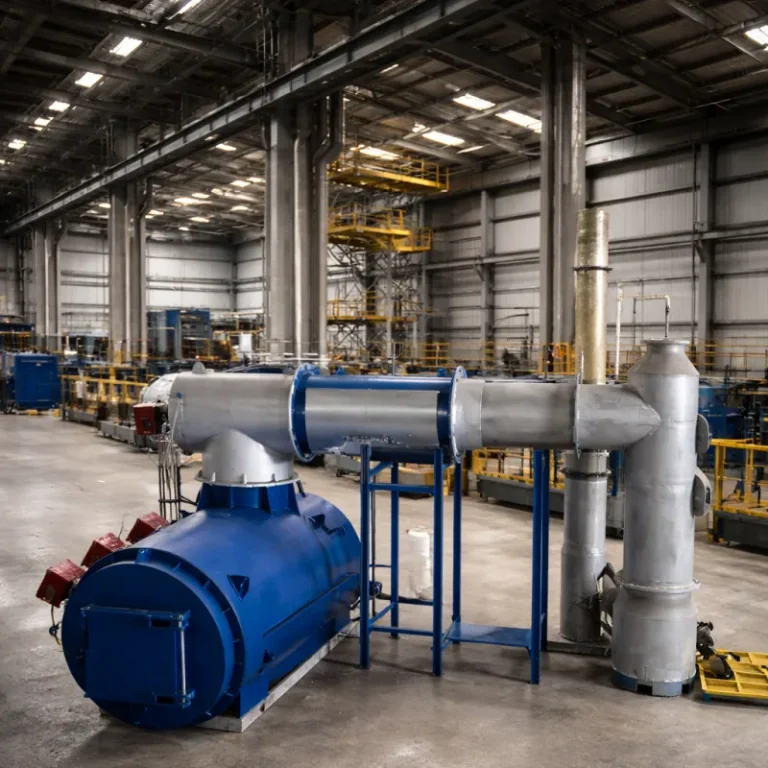
The Core Thermal Destruction Process and Combustion Stages
Thermal destruction relies on multi-stage combustion to break down solid and liquid wastes efficiently. The primary chamber ignites the waste material under controlled oxygen levels, vaporizing moisture and volatile compounds. This initial phase transforms bulky materials into manageable gaseous intermediates and residual solid carbon.
Secondary combustion chambers complete the destruction cycle by introducing excess oxygen at elevated temperatures exceeding one thousand degrees Celsius. This high-heat dwell time ensures the complete breakdown of complex organic molecules, including hazardous dioxins and furans. Advanced air pollution control equipment subsequently scrubs the exhaust gases to remove particulate matter and acid gases.
Handling Municipal Solid Waste and Community Sanitation Needs
Municipal authorities face continuous challenges regarding landfill capacity exhaustion and strict environmental compliance mandates. Thermal processing plants provide a reliable solution for metropolitan areas generating thousands of tons of refuse daily. By incinerating municipal waste, cities recover substantial amounts of electrical and district heating energy.
Energy recovery transforms sanitation facilities from municipal cost centers into productive power generation assets. Modern steam turbines capture thermal output from the boiler units, feeding electricity back into local distribution grids. This closed-loop approach aligns with broader municipal sustainability goals while resolving long-term space constraints.
Managing Agricultural and Biological Byproducts Safely
Agricultural sectors and processing facilities produce massive quantities of biological and organic refuse annually. Improper disposal of biological matter risks spreading dangerous pathogens throughout local groundwater systems and agricultural soils. Operating a dedicated livestock incinerator destroys biological contaminants completely, preventing epidemiological outbreaks on farms.
Similarly, food processing plants generate high-moisture organic residues that decompose rapidly in standard landfills. Implementing an efficient Organic Waste Incinerator neutralizes these high-nitrogen byproducts cleanly without generating foul odors or attracting disease vectors. Plant operators maintain strict biosecurity compliance while lowering long-term waste hauling expenditures significantly.
| Incinerator Type | Primary Application | Temperature Range | Volume Reduction Rate |
| Municipal Rotary Kiln | Mixed Solid Waste | 850°C to 1100°C | Up to 90% |
| Controlled Air Unit | Clinical & Medical Waste | 900°C to 1200°C | Up to 95% |
| Fluidized Bed System | Sludge & Fine Particulates | 750°C to 900°C | Up to 85% |
Environmental Controls and Flue Gas Cleaning Technologies
Modern thermal processing facilities integrate sophisticated emission control systems to meet stringent environmental protection standards. Flue gas cleaning trains capture fly ash, sulfur dioxide, hydrogen chloride, and heavy metals before exhaust release. Baghouse filters, electrostatic precipitators, and wet scrubbers operate continuously to maintain compliance with regional air quality limits.
Continuous emission monitoring systems track stack outputs in real time, alerting operators immediately to any process deviations. Transparent data recording protects facility owners from regulatory liabilities and reassures neighboring communities regarding environmental safety. Rigorous emission controls confirm that thermal treatment remains a clean, viable alternative to traditional land burial.
Ready to upgrade your industrial waste processing capabilities for your facility? Contact our team today to discuss your technical specifications and engineering requirements.
Energy Recovery and Economic Benefits of Thermal Processing
Energy recovery represents a major financial driver for industrial facilities operating large thermal destruction units. High-temperature exhaust gases pass through heat recovery steam generators to produce high-pressure steam. Facilities utilize this steam to drive industrial machinery, heat factory buildings, or generate internal electricity.
Offsetting external energy purchases lowers operating expenditures significantly across multi-shift production cycles. Furthermore, reducing waste volume decreases off-site hauling fees and landfill tipping taxes. These combined financial returns shorten the capital payback period for new incinerator installations.
Frequently Asked Questions About Industrial Incineration
What happens to the residual ash after the incineration process concludes?
Non-combustible minerals remain as bottom ash and fly ash following complete thermal oxidation. Facilities test this ash residue for hazardous leaching before recycling it as road construction aggregate or sending it to secure landfills.
How do incinerators prevent the release of toxic dioxins into the atmosphere?
Advanced incinerators maintain secondary combustion temperatures above 850 degrees Celsius for at least two seconds with high turbulence. This thermal profile destroys complex organic compounds completely, preventing the reformation of harmful dioxins.
Can industrial incinerators handle high-moisture waste streams effectively?
Yes, modern units utilize auxiliary burners and pre-drying grates to process high-moisture sludges and biological wastes. Controlled air staging optimizes internal heat balance without requiring excessive supplemental fuel consumption.
About Biowas
Biowas serves as an established global engineering partner for waste management machinery, industrial thermal systems, and environmental processing equipment. By combining rigorous metallurgical standards with advanced combustion technology, Biowas delivers robust machinery designed for continuous commercial operations. Our commitment to precision manufacturing, environmental compliance, and technical reliability empowers businesses to manage waste safely and efficiently worldwide.
References
United States Environmental Protection Agency. Municipal Solid Waste Combustion Guidelines. Available at: https://www.epa.gov/
World Health Organization. Management of Wastes from Health-care Activities. Available at: https://www.who.int/